


AI for Creatives: Dos and Don’ts
- Anthony Dann

- Oct 27, 2025
- 4 min read
Updated: Nov 19, 2025
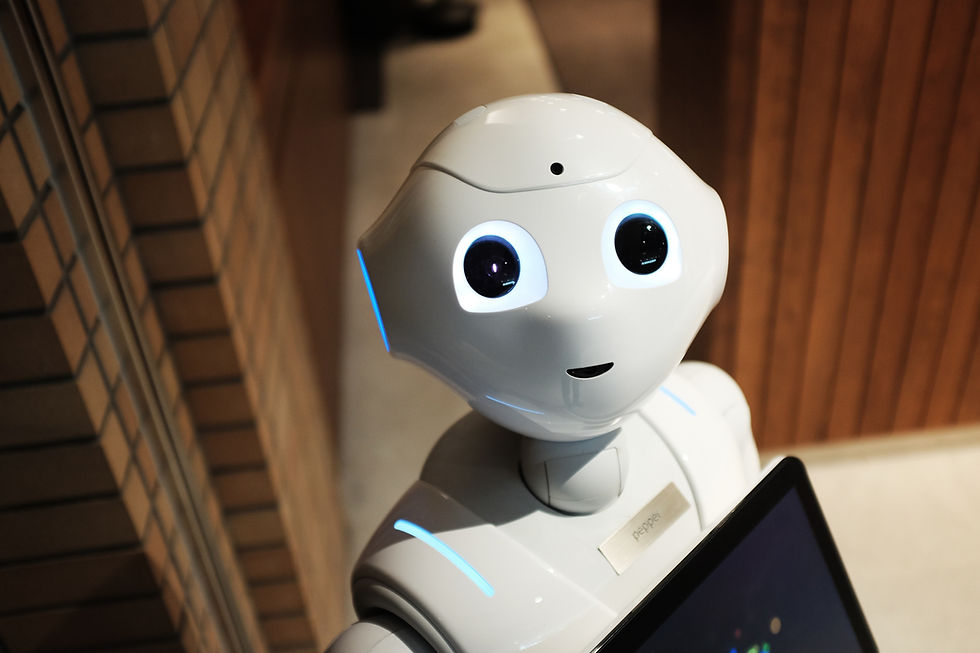
AI is here to stay. It will transform our lives at a rapid pace, and the arts will be affected. In this DIY Musician Blog post, we will explore dos and don’ts in AI for creatives and navigate the new-forming landscape. The goal is to adapt and find a constructive approach rather than seeing it in black or white. The following, just like all the other posts on this blog, is fully written by me, with the use of AI only for grammar checks and some rewriting suggestions.
DOs
Use it for supportive tasks
Helping with a huge amount of social media posts, brainstorming ideas, and summarizing information is where the AI shines. It’s tailored to technical and data-driven tasks at its core. The main thing is to keep the base of the task authentically yours. Creating the first draft and reworking it slightly so it doesn’t lose a sense of you is the spot to aim for. Today's tools can help a lot with writing, generating, managing, analyzing, and enchanting your ideas, so there’s no reason not to make your life a bit easier while focusing on your actual creative work.
Get inspired
Got an idea for a cover art, but you can’t draw or design it yourself? Try generating it with AI from the description and play with it in Photoshop afterward. Then, you can take this concept to a designer who will create something original. The final result may resemble the initial draft or turn out drastically different. What matters is that this approach will prevent you from getting stuck on an idea and help move things forward.
Generate elements for future alteration
Graphic assets, chord progressions, songwriting prompts, and content ideas, AI can do it all! And you can use it to your advantage without relying too heavily. Feel stuck? Ask for help, not the final result. Taking something and then combining or transforming it yourself keeps your creativity engaged. See it as a valuable tool and treat it as such without giving away your power or overusing it.
Use it partially in mixing and mastering
As mentioned earlier, AI excels at the technical aspects, and many audio software makers are aware of this. Choose plugins that incorporate AI as an adjustable feature, like iZotope OZONE, rather than those that just deliver a finished product without your input. Sound engineering is a skilled craft. You can stay up-to-date with advancements and modernize your toolkit without losing your involvement. After all, «It’s not the gear, it’s the ear».
DON’Ts
Don’t use it for making music
There’s a heated conversation around this one, and for a good reason. The creative field is undergoing a massive transformation, and the new rules and systems are yet to be established. While it’s obvious that some AI tools make budgets thinner, arts are likely to remain inherently human. Art created solely by artificial intelligence can be impressive from a technical standpoint, but it is often sterile and feels too polished, at times even unnatural. To achieve a plausible outcome, it needs the active participation of a human coordinator.
Creation is a vital process of expression, which is the reason for doing it in the first place. Truly creative projects are made by people, and that’s the art that will increase in value with the evolution of AI. Keep your music and creative projects human to avoid troubles like bans and content removals, and out of respect to fellow creatives, this is one way for us to have a say in this.
Don’t give your music or creative work without consent or compensation
That’s okay if you’re not opposed to your music being used for training AI. Just make sure the deal with this kind of publisher or library is transparent and fair. If your music is used in any way, it should be with your consent and proper compensation, and the same applies here. Just remember that the music you give for this kind of usage is basically given out permanently, you won’t be able to reverse it. Consider if these terms are truly acceptable for you, what kind of music you’re ready to share, and make an educated decision. If you ever find your creative work used in AI without your permission, it’s time to call a lawyer!
Don’t give your voice
If you ever stumbled upon an app offering to create a cover of your favorite song with your voice in exchange for a simple recording of you speaking, I hope you didn’t use it. There are so many things that could go wrong that a simple, silly thing for fun could turn out to be a disaster, from licensing issues to the unclear usage of content collected through these kinds of applications. Beware of sharing any sensitive data and anything related to your identity, be it your voice, pictures, or anything else. These things are new, but they evolve extremely fast. Be mindful about sharing your information and keep it safe. You never know how it could be used once you send it.
All things considered, let’s be realistic. We are likely to witness the formation of a new category across all the media: «Made with AI», and, hopefully, people will have a choice in their preferences. A new wave of creators will emerge who use AI as their primary tool. Nonetheless, it will come down to decisions about the approach and creative process. Some will stay faithful to human creativity or take a somewhat balanced approach, while others will fully embrace the new way of doing things. There is no single «right» option. They all will co-exist simultaneously.
Arts are inseparable from feelings, emotions, and imagination, which are human in nature. Artificial intelligence will be a part of creation, but won’t replace it completely. Human-made art has more substance, depth, detail, and creativity. Stay informed about what’s happening, but don’t let the noise make you believe the arts are dying. Like everything else, it’s just changing. And we will adapt, as people always do.
Be well, stay tuned!


